Why Some Women In Their Late 40s Keep The Same Thick Hair (And Confidence) They Had In Their 30s — While Others Don't: A Top Dermatologist Reveals The 7 Things The First Group Knows
The hidden hormonal shift attacking women's hair after 40 — and the 10-second nightly routine one board-certified dermatologist developed to help women stay in the first group, without minoxidil, hormones, or prescriptions.
If you've started noticing more hair on your brush than usual…
If your part has begun looking just slightly wider in photos than it did a year ago…
If you've caught yourself running your fingers through your ponytail and thinking, "is this thinner than it used to be?"…
Then the fact that you're paying attention right now — in your 40s, before this becomes a crisis — may be the single most important advantage you have.
Most women don't catch it this early.
Most women dismiss the first signs as stress, or seasonal shedding, or a bad haircut. They tell themselves it's nothing. They don't really start paying attention until they're 52, 55, 58 — when the part has widened so dramatically that strangers notice. By then, the hormonal cascade behind it has been running unchecked for a decade.
But you're noticing it now. And that changes everything.
Because the same thing that's quietly attacking your hair right now is, statistically, what your friend Sarah has been quietly hiding for the last six months. It's what your sister-in-law spent $4,200 trying to fix last year. It's why some women you know walk into their 50s with the same thick, full hair they had in their 30s — and others don't.
The difference is not luck. It's not genetics. It's not how well they took care of their hair.
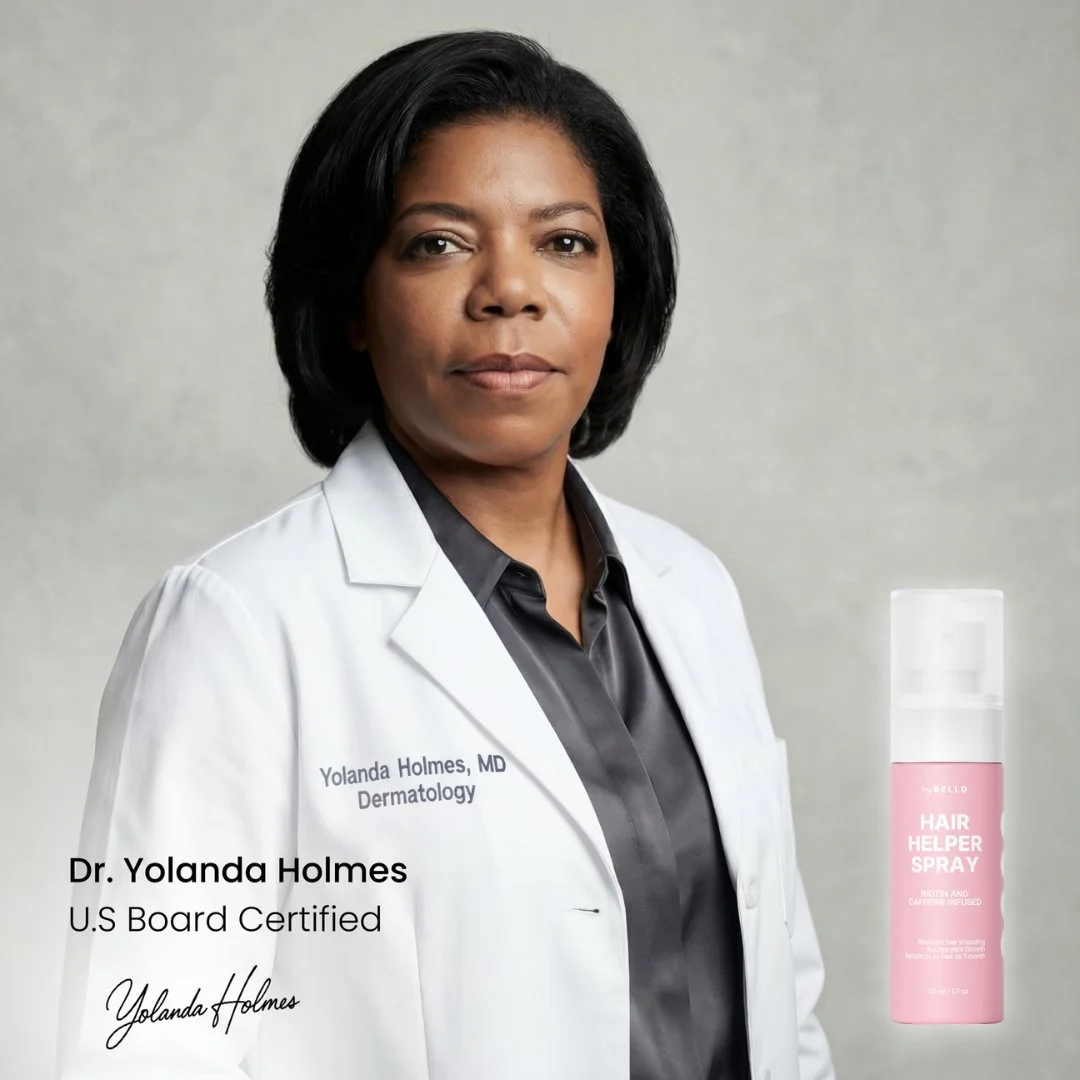
My name is Dr. Yolanda Holmes. I'm a board-certified dermatologist with over 15 years specializing in women's hair and scalp conditions. I'm affiliated with Howard University Hospital and MedStar Washington Hospital Center.
And in the last six years of my practice, something changed that I couldn't ignore.
Women in their early 40s started showing up in my office with the kind of hair loss patterns I used to only see in women in their late 50s. Their mothers hadn't experienced it at this age. Their grandmothers hadn't either. Something had shifted.
So I spent six months — and $12,000 of my own money — investigating why. What I found is in this article.
But before I show you the science, I want to walk you through the journey of one of my patients. A woman whose story is now the story of thousands of others. A woman who caught it early — and what she did about it.
The 7 Things She Did Differently — At 44, Before It Was Too Late
Her name is Rachel. She's 44 years old, lives in Cincinnati, married 18 years, two daughters in middle school. Works part-time as a marketing manager. The kind of woman who organizes the school fundraiser and remembers everyone's birthday.
Two years ago, she walked into my office with a Ziploc bag of hair she'd collected from her shower drain over a single week. She set it on my desk and said: "My mother is 71 and still has thicker hair than I do. Tell me why."
Today, at 44, Rachel has the thickest, fullest hair she's had in a decade. Her hairdresser asks what she's doing differently every time she comes in.
Here are the 7 things she did — in the exact order she did them — that made the difference.
She Stopped Telling Herself "It's Probably Nothing"
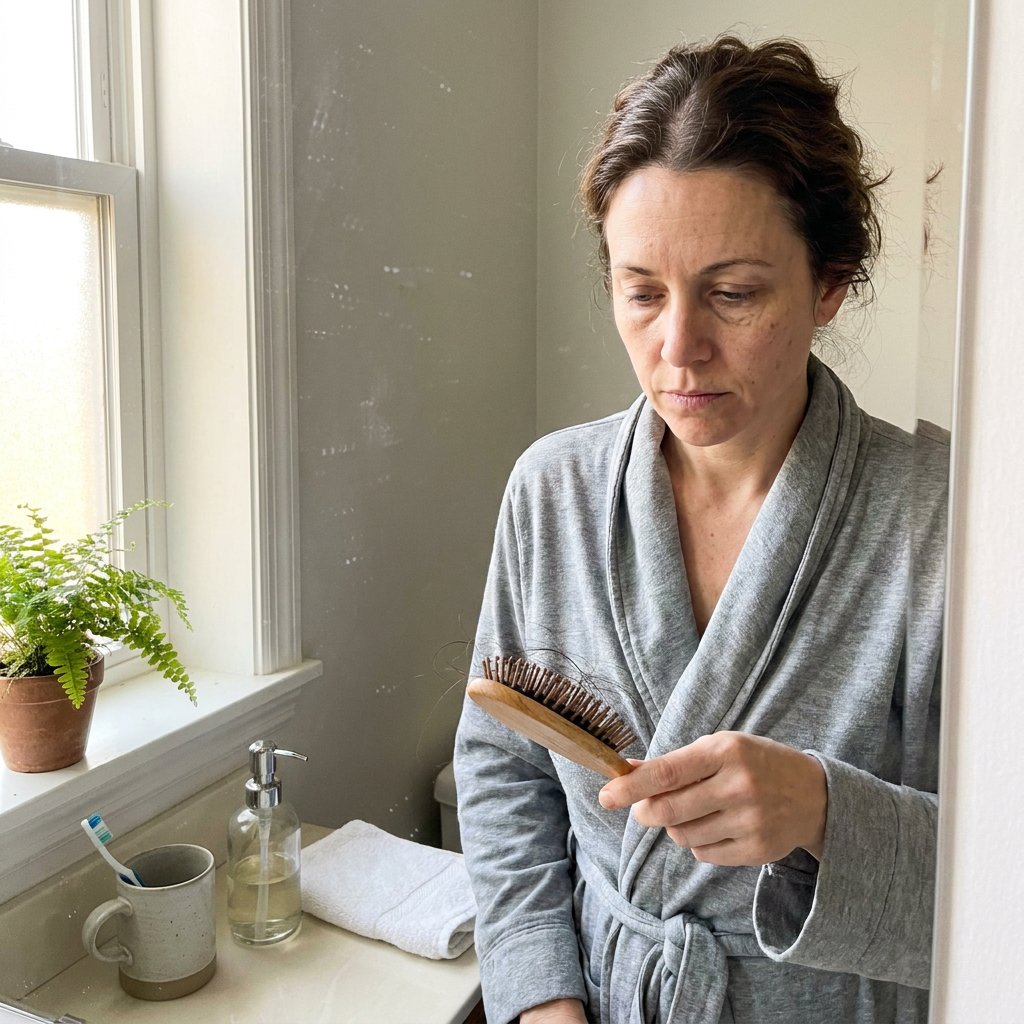
The first thing Rachel did wasn't a product. It wasn't a treatment. It wasn't a doctor's appointment.
It was admitting — to herself, in private — that what she was seeing was real.
For nine months before she came to see me, Rachel had been quietly tracking it. The widening of her part. The way her ponytail wrapped five times around the hairband instead of three. The hair on her pillow she'd brush off before her husband saw it.
She told her hairdresser it was "just stress." She told herself she was probably imagining it. When her best friend asked if her hair looked different, she changed the subject.
The single biggest mistake women make in their early 40s is dismissing the first signs because they're not yet dramatic.
Most hair loss in women 40+ is gradual. It happens at a rate slow enough that you can talk yourself out of noticing it for years. By the time it becomes "obvious" — by the time it becomes the kind of hair loss your husband notices, your kids notice, the salon lighting reveals — the underlying biological process has been running for 5–10 years.
Rachel's first move was the most important: she stopped pretending. She made a private decision that she was going to take this seriously now, while she still had options.
She Asked The Question Her Doctor Couldn't Answer
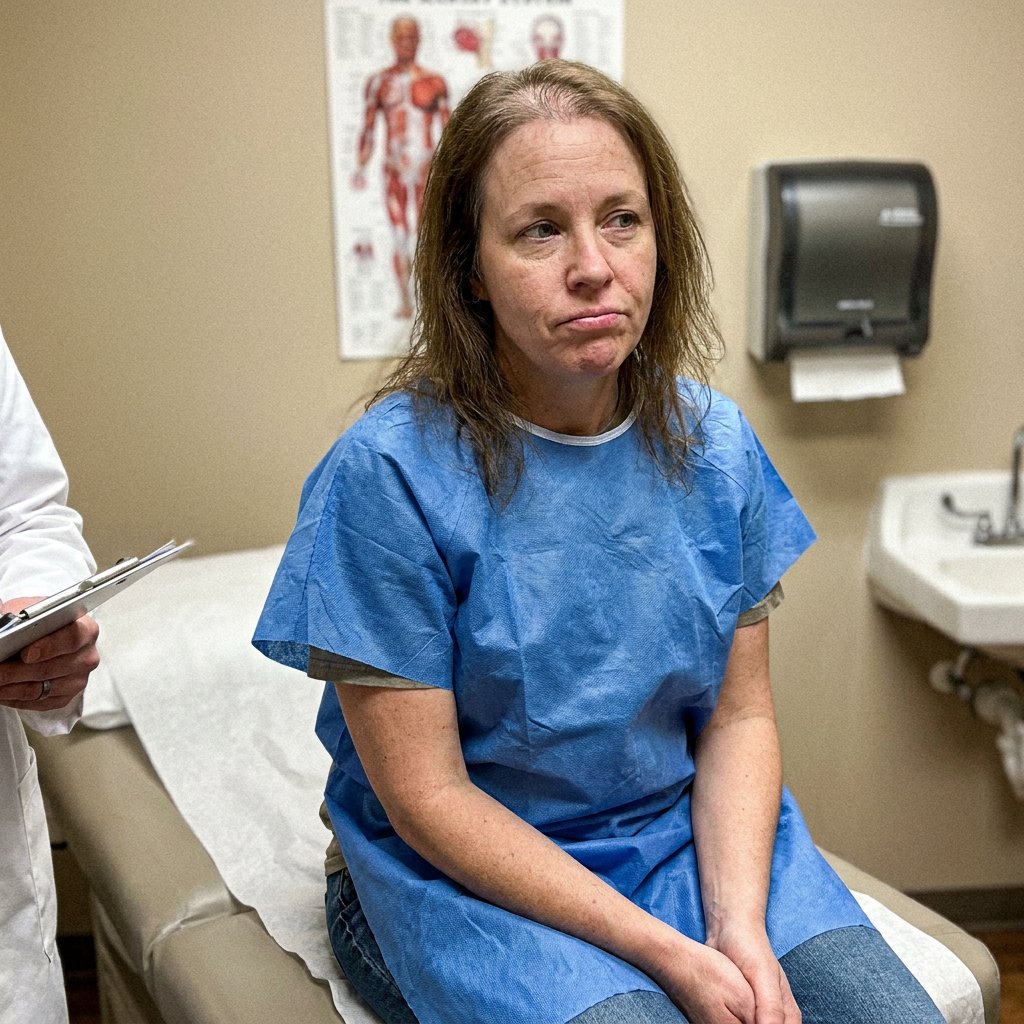
Rachel did what most women in her position do first. She went to her primary care doctor.
Her doctor ran bloodwork. Thyroid panel. Iron levels. Everything came back "within normal range."
"It's probably hormonal," her doctor said. "Some thinning is normal at your age. If it gets worse, we can talk about minoxidil."
Rachel left that appointment with the same question she walked in with — and one new one:
Her mother went through menopause. Her grandmother went through menopause. Neither of them experienced what Rachel was experiencing in her early 40s. Both of them died with thick hair.
Something was different about her generation specifically. And nobody in standard medical practice had an answer for what.
That question — the question her doctor couldn't answer — is what eventually led her to my office. And it's the question that changed how I practice medicine.
She Refused To Just "Try Minoxidil And See"

Most women, after the appointment Rachel had, do one of two things. They start minoxidil. Or they buy a bottle of Nutrafol.
Rachel did neither.
Instead, she spent four nights researching. She read the clinical literature. She read the Reddit threads. She read the long, painful posts on hair loss forums from women who had started minoxidil at 45 and were now, at 53, terrified of stopping it because of the rebound shedding.
She learned that minoxidil requires a specific scalp enzyme — SULT1A1 — to convert into its active form. Up to 60% of post-menopausal women may not produce enough of this enzyme to make minoxidil effective at all. They sit on the scalp doing nothing while the dread shed runs its course.
She learned that supplements like Nutrafol and Viviscal travel through the bloodstream — and the scalp is one of the lowest-priority peripheral tissues the body sends nutrients to. By the time the active ingredients arrive, most have been absorbed into other systems.
She learned that nothing on the standard medical menu was specifically designed for the biology of women in their 40s — for the particular hormonal shift that was happening to her right now.
And she made a decision that ended up saving her thousands of dollars and years of frustration:
She wasn't going to start any treatment until she understood what was actually happening to her body — and what specifically would work for it.
She Found The Real Answer — And It Wasn't "Just Aging"
In the third week of her research, Rachel found my work.
She read a paper I had presented on hormonal hair loss in women under 50. She read about the six months I had spent — and the $12,000 I had spent of my own money — investigating why women in their 40s were now losing hair at rates their mothers and grandmothers never experienced.
Here's what I found, and here's what she discovered:
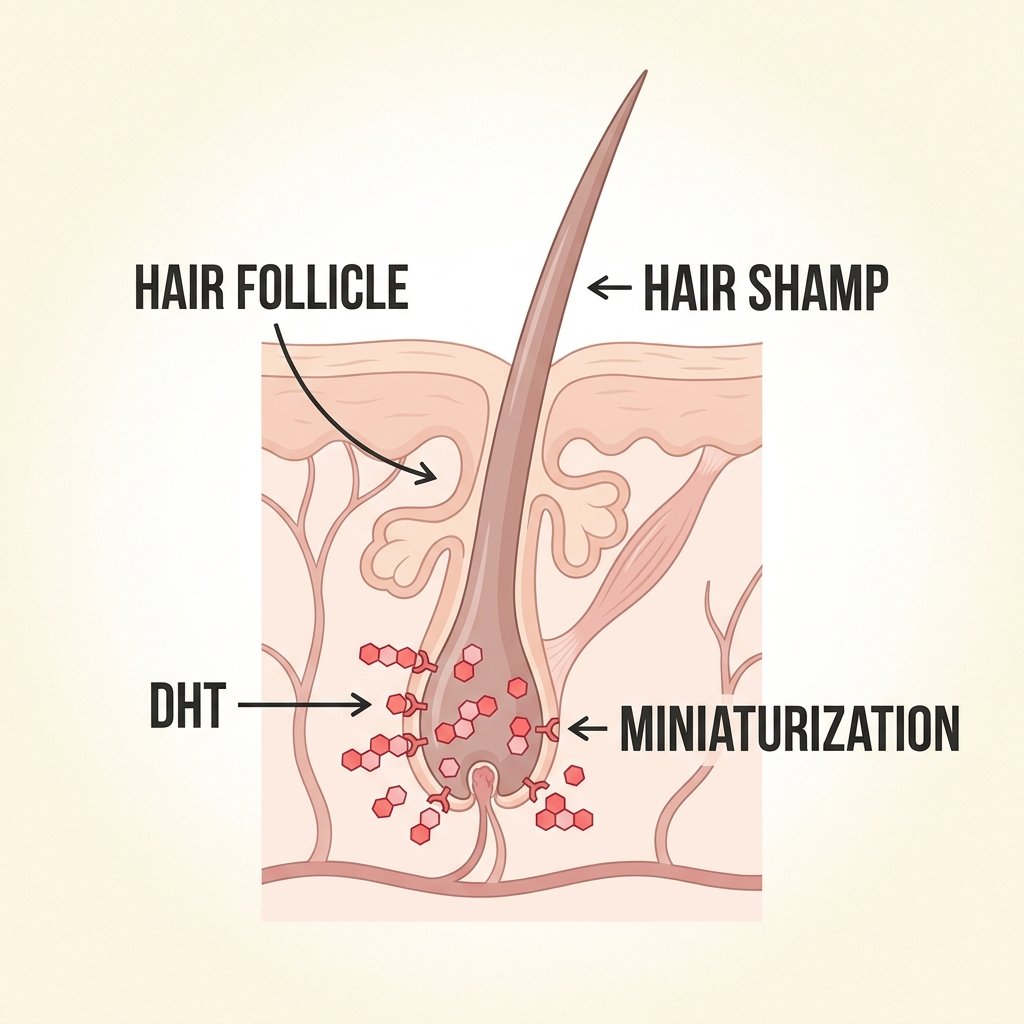
The single most destructive force acting on your hair follicles after 40 is a hormone called DHT — dihydrotestosterone.
DHT is a potent form of testosterone that binds to receptors at the base of your hair follicles and causes them to miniaturize — producing thinner, weaker hairs each cycle until the follicle eventually goes dormant. It does this through a specific enzyme called 5-alpha-reductase, which converts testosterone into DHT.
Women have always produced DHT. But here's what makes your generation different from your mother's:
In 1994, researchers at the University of Frankfurt published a study showing that 91% of women in your age range with hair loss had DHT levels comparable to balding men. Not slightly elevated. Comparable to balding men.
Why is this happening to your generation specifically?
Because modern life supercharges DHT production in ways previous generations were never exposed to:
- ▸ Endocrine-disrupting chemicals in plastics, food packaging, and personal care products that mimic hormones in the body
- ▸ Decades of synthetic hormonal birth control that fundamentally alter androgen production long after stopping
- ▸ Chronic, unrelenting stress that elevates cortisol, which drives androgen production
- ▸ Pesticide and chemical residues in food and water that compound endocrine effects over decades of exposure
Your grandmother wasn't exposed to most of these. Your mother had partial exposure. Your generation has had full exposure since birth.
That's why she still has thick hair at 71. That's why your hair is changing at 44. The biology is the same. The hormonal environment is not.
She Learned There Was A "Triple Threat" — Not Just One Cause
This is the part most articles get wrong.
They tell you DHT is the cause of hormonal hair loss. They stop there. So women buy products that fight DHT — and many of them still see no results.
Because DHT is the biggest force attacking your follicles after 40 — but it's not the only one.
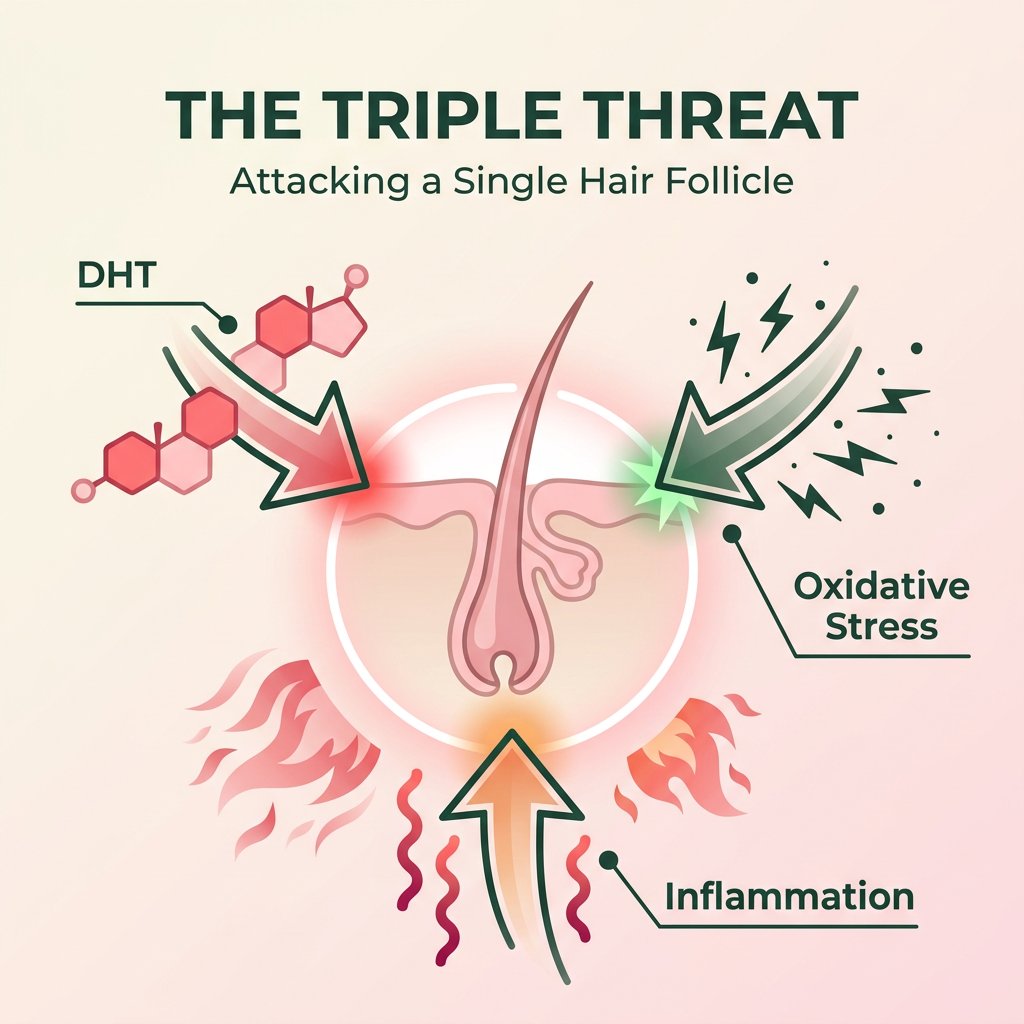
In my six months of investigation, I identified three biological forces that converge on women's hair follicles in their 40s. I call it the Triple Threat.
Testosterone converts to DHT via 5-alpha-reductase. DHT binds to androgen receptors in genetically susceptible follicles and causes miniaturization. After 40, with estrogen levels dropping, follicles become dramatically more sensitive to DHT — even if your testosterone levels haven't changed.
Free radical damage accumulates in follicle cells, weakening their walls and disrupting normal growth cycles. This is amplified by the same endocrine-disrupting chemicals in modern haircare products. Most women's daily haircare routine actively contributes to this force.
The follicle microenvironment becomes inflamed. Even follicles not directly attacked by DHT struggle to maintain healthy growth in this environment. The scalp becomes — to use the metaphor that finally made sense to Rachel — "hostile soil."
This is why supplements alone fail. This is why minoxidil alone fails. This is why DHT shampoos alone fail. None of them address all three forces.
Whatever Rachel was going to do — it had to fight all three at once.
She Started The 10-Second Nightly Ritual
This is where my own discovery comes in.
After my six months of research, I found that several plant extracts had been clinically proven to block DHT as effectively as prescription drugs — but without the side effects, dependency, or dread shed.
Five of them, used together at clinically effective doses, addressed all three forces of the Triple Threat simultaneously.
I formulated a simple topical spray that delivered all five — directly to the scalp, where the DHT damage actually happens. No pills (which never reach the follicle in adequate doses). No shampoos (which rinse off in 60 seconds). Just a fast-absorbing mist applied for 10 seconds, once a night.
I called it TryBello Hair Helper Spray.
Rachel was the kind of patient I'd been hoping to find when I formulated it. She'd caught it early. She had the scientific curiosity to understand why she was using it. She had the discipline to use it nightly.
She started in March. 10 seconds, every night, before bed.
She Tracked Her Results — And They Surprised Even Me
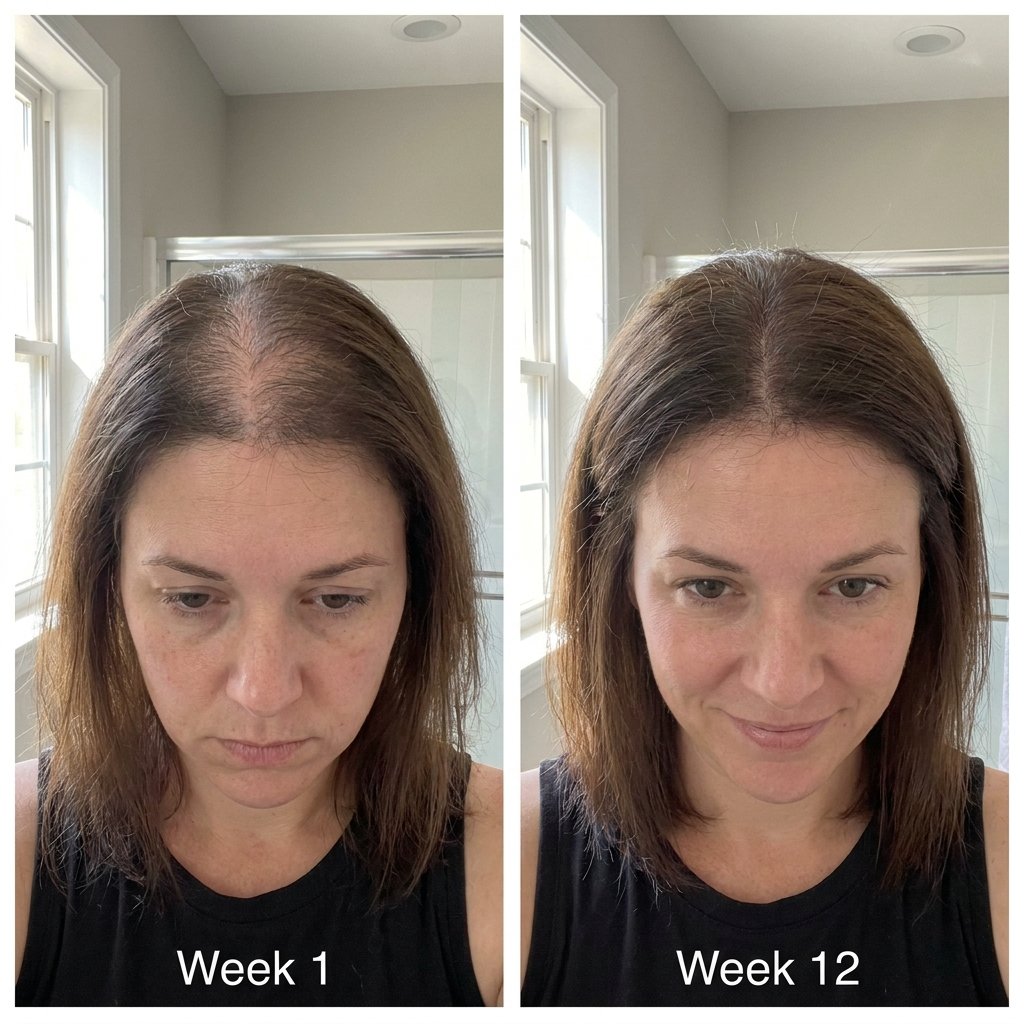
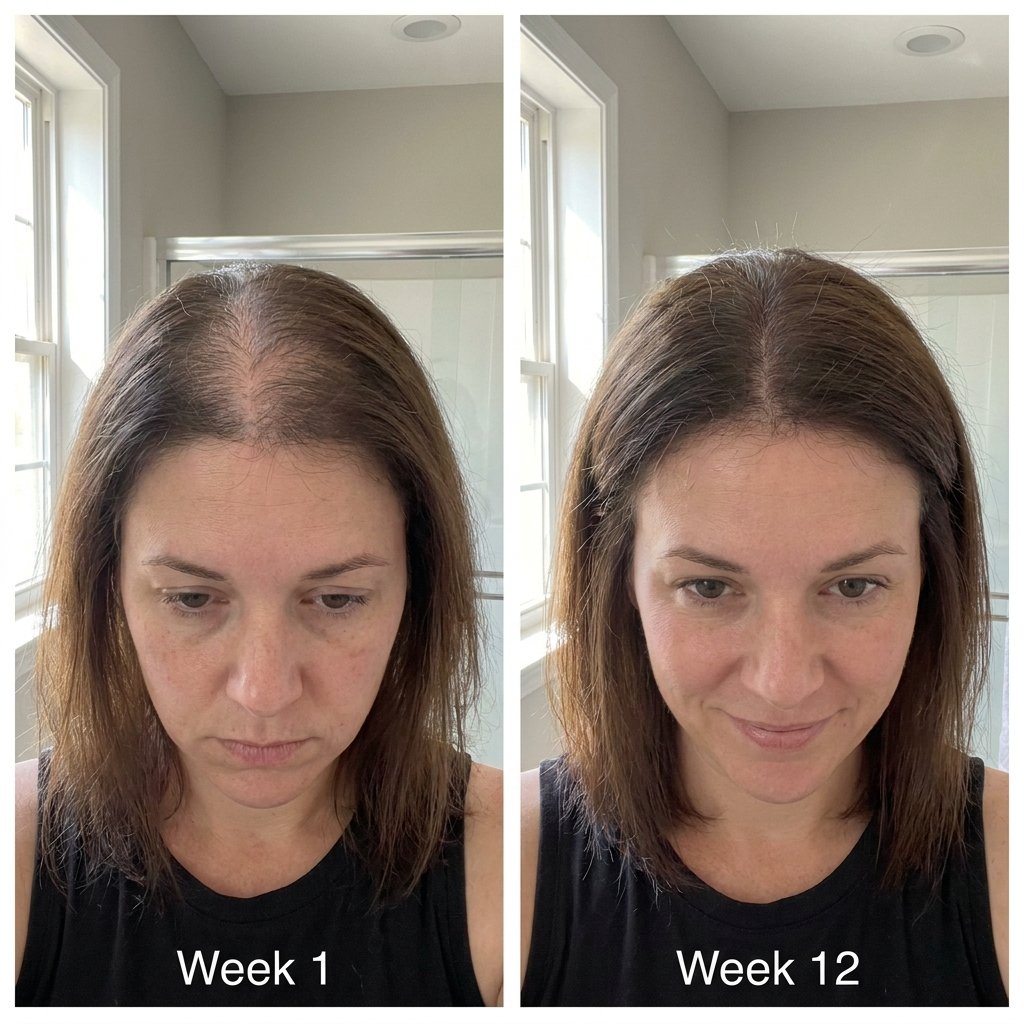
This is what Rachel's 12 weeks looked like — documented week by week:
Week 1: Day 1: 87 hairs in the drain. Day 7: 41 hairs. She wasn't imagining it.
Week 3: Tiny baby hairs along her hairline she could feel with her fingertips.
Week 6: Her hairdresser asked what she was doing differently.
Week 8: Her part was visibly tighter. She could wear her hair down without seeing scalp.
Week 12: Her husband asked something he hadn't in five years: "Did you do something to your hair?"
Rachel didn't just stop her hair loss. She reversed the trajectory she was heading down.
And the version of herself she's walking into her 50s with — is the same version she was at 35.
Why I'm Sharing This Now — And What's Different About Your Generation
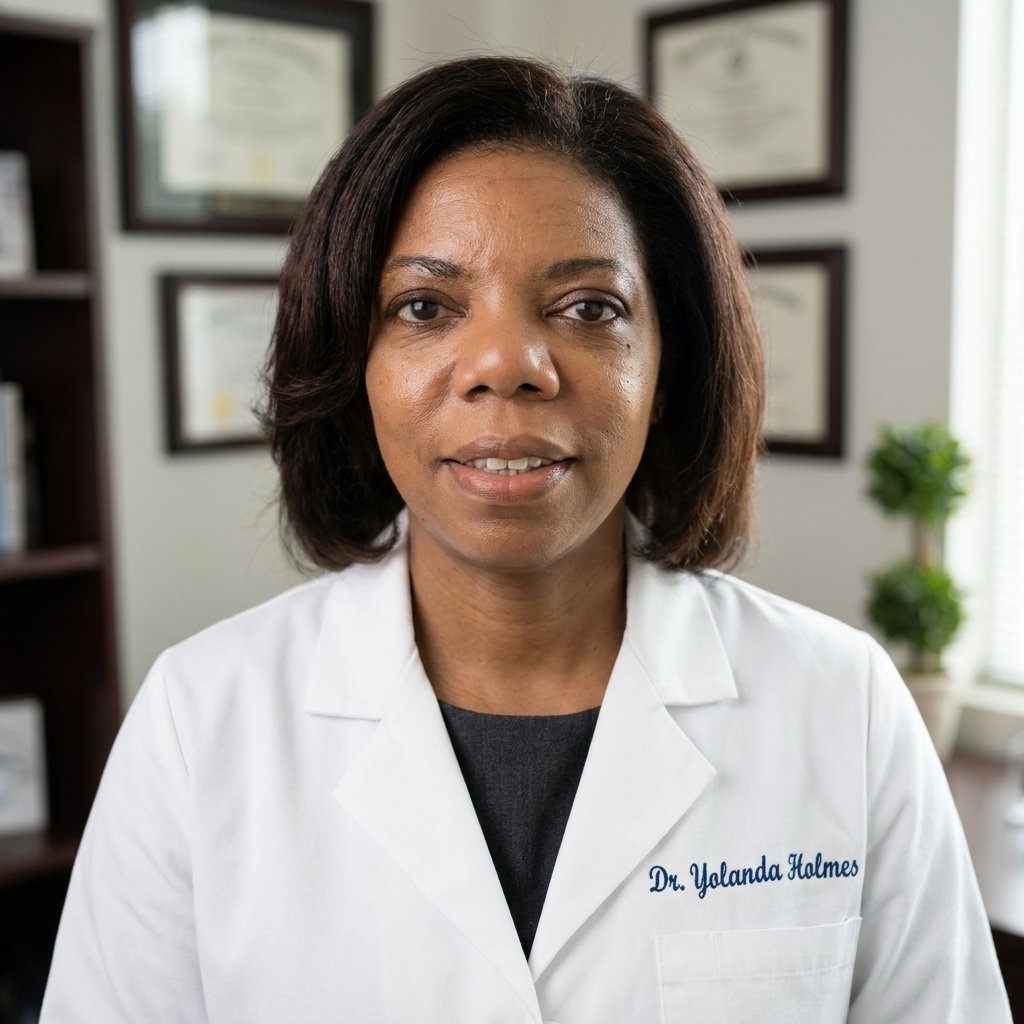
Rachel is one of thousands of women I've now seen this exact pattern in.
Most of them don't catch it as early as she did.
Most of them come to me at 52, 56, 61 — when the hair loss is dramatic, when they've already spent thousands on minoxidil and Nutrafol and laser caps and PRP injections, when they're considering hair transplants or wigs.
By that point, what we can do is still meaningful — but it's harder, slower, and more expensive than what we could have done if they'd caught it in their 40s.
If you're reading this and you're noticing the early signs — you have a window of opportunity that women just five years older than you don't have anymore. That window is the most valuable advantage in this entire category.
Let me show you exactly what's coming if you don't intervene now — and what each of the standard treatment paths is actually going to cost you.
Why The Standard Treatments Will Fail You
If you wait until this becomes a crisis — until you're in your 50s and the hair loss is dramatic — here's what will happen, in the order it usually unfolds. I've watched this exact sequence play out in hundreds of patients.
This is why the women who catch it in their 40s — and intervene at the root cause, not the symptoms — are the ones who walk into their 50s with the same hair they had in their 30s.
The standard path is built around managing the crisis after it happens. The smarter path is preventing the crisis from becoming a crisis.
The 5 Plant Extracts That Block DHT — Without Side Effects, Dependency, Or Prescriptions

Here's what 6 months of research and $12,000 of medical journals taught me:
There are five plant-based compounds with rigorous clinical evidence — published in peer-reviewed journals, replicated in multiple studies, used at clinically effective doses — that block DHT, reduce scalp inflammation, and reactivate dormant follicles.
They had been individually validated. They had never been combined at therapeutic concentrations in a single topical product.
-
Ingredient 01
Sophora Flavescens Extract
Used in Traditional Chinese Medicine for over 1,000 years for hair and scalp health. Modern clinical research, including a study published in the Journal of Dermatological Science, confirms it strongly inhibits 5-alpha-reductase — the enzyme that produces DHT — by up to 67%. It also activates IGF-1 and KGF growth factors in the cells at the base of the follicle. This means it doesn't just block DHT — it actively wakes dormant follicles up.
-
Ingredient 02
Pharmaceutical-Grade Caffeine (Topical)
Not the caffeine in your coffee. Pharmaceutical-grade caffeine, applied topically, blocks DHT from binding to follicle receptors and extends the anagen (growth) phase of the hair cycle. A multicenter clinical trial published in the International Journal of Dermatology found a caffeine topical solution reduced hair loss by 15.33% in just 2 months. A separate study found it was non-inferior to 5% minoxidil — without any of the side effects.
-
Ingredient 03
Oryza Sativa (Rice) Extract
This is the secret behind the famously thick, healthy hair of the Yao women of Huangluo, China — a village whose women are known for maintaining floor-length hair into their 70s and 80s. A study from Seoul National University found rice extract increased follicle density by 34% in 12 weeks. It contains gamma-oryzanol and ferulic acid, which inhibit both Type 1 and Type 2 of the 5-alpha-reductase enzyme.
-
Ingredient 04
Angelica Polymorpha Sinensis Root Extract
Used in Traditional Chinese Medicine for over 2,000 years specifically for women's hair health. Protects follicles from DHT damage and improves microcirculation in the scalp — addressing the inflammation and oxidative stress forces of the Triple Threat. This is the ingredient that makes the soil fertile again.
-
Ingredient 05
Biotin (Topical, Encapsulated)
Not the kind in supplement pills (which are destroyed by stomach acid). Encapsulated biotin, applied topically, supports keratin production directly at the follicle level — strengthening the actual hair shaft as it grows.
Here's what makes this different from every other "natural" hair product on the market:
Most hair products use these ingredients at "label dust" levels — just enough to list on the bottle, not enough to actually do anything biologically.
TryBello Hair Helper Spray uses all five at therapeutic concentrations — the same concentrations used in the published clinical studies that proved they work.
Why You Won't Hear About This From Your Dermatologist
I want to be honest with you about something.
The reason I'm sharing this directly with women — instead of through the traditional medical system — is because the traditional medical system has no incentive to share it.
The hair loss industry generates over $12 billion a year in the United States alone.
Every layer of that industry is built on lifetime maintenance. Minoxidil refills, every 30 days, forever. Supplement subscriptions, every 30 days, forever. PRP sessions, every 4 months, forever. Hair transplant touch-ups, every 2-3 years, forever.
A 10-second nightly spray that addresses the root cause at the follicle level — and that women can stop using once their hair is restored — is the opposite of that revenue model.
Since I started recommending this to my patients, I've received cease-and-desist letters from law firms representing "concerned medical professionals." My botanical supplier was approached by a major beauty conglomerate trying to acquire them and shut down our supply. I've been told by colleagues at conferences that what I'm doing is "irresponsible."
I'm going to keep going anyway.
Because every woman who catches this in her 40s and intervenes at the root cause is one fewer woman who'll spend $45,000 over the next decade chasing symptoms — and is one fewer woman who'll wake up at 56 wondering why her hair didn't behave the way her mother's did.
Introducing TryBello Hair Helper Spray
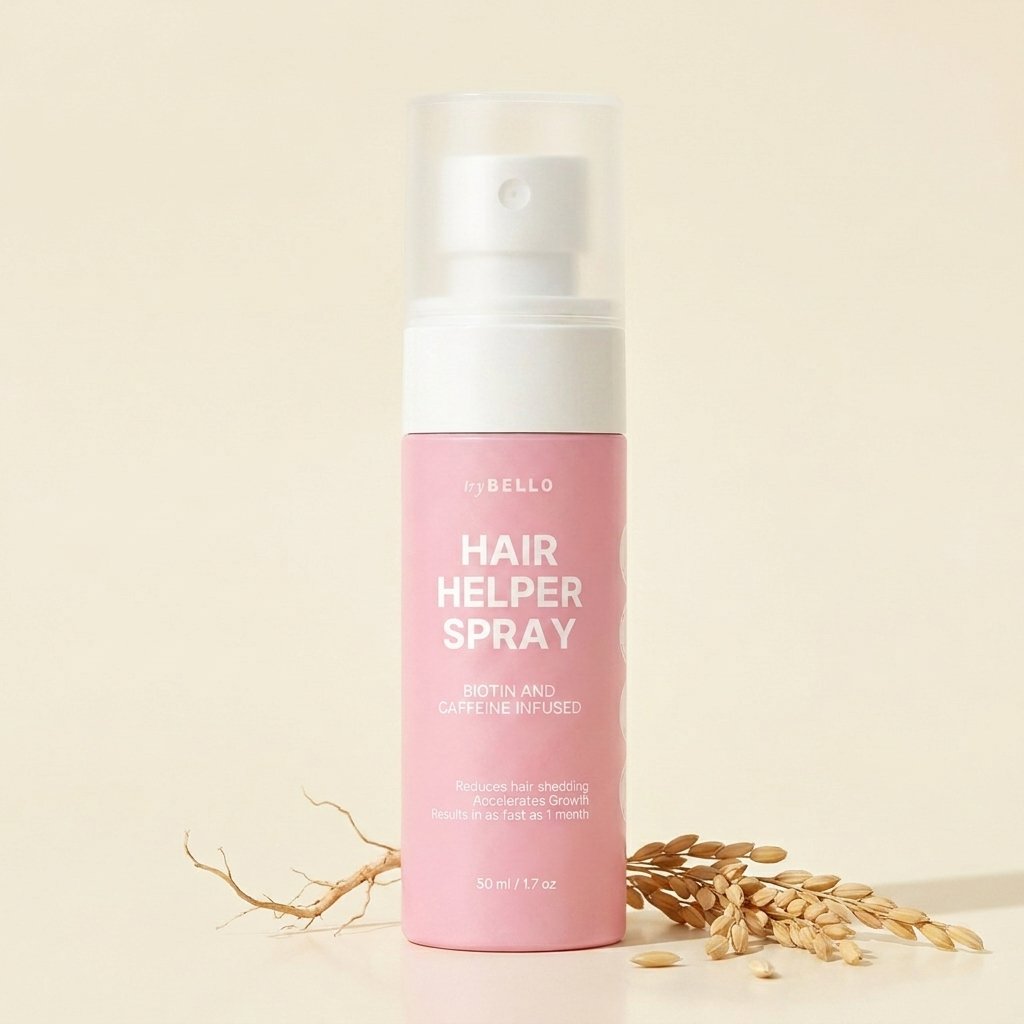
TryBello Hair Helper Spray is the only topical spray that delivers all five clinically-studied DHT blockers, at therapeutic concentrations, directly to where the damage is actually happening — your scalp.
The Triple Defense System
Sophora Flavescens and Rice Extract inhibit 5-alpha-reductase — the enzyme that converts testosterone into DHT. Less enzyme activity = less DHT being produced = less DHT attacking your follicles.
Caffeine and Angelica Root create a protective barrier at the follicle receptor level. Even if DHT is still circulating, it can't bind. Your existing hair is protected from miniaturization.
With DHT blocked and existing follicles protected, the dormant ones — the follicles that have gone to sleep but aren't dead — can return to their normal growth cycle. Blood flow increases. Nutrient delivery resumes. The follicle wakes up.
This is why TryBello Hair Helper Spray works when supplements, shampoos, and even prescription drugs have failed.
How TryBello Compares To What Your Dermatologist Will Recommend
When you compare them side by side, the answer is obvious — and the math is even more obvious.
| TryBello | Standard Treatments | |
|---|---|---|
| Fixes The Root Cause? | ✓Addresses DHT at the follicle Blocks the hormone causing miniaturization, before it damages the follicle | ✗Masks symptoms only Minoxidil dilates blood vessels. Supplements feed already-healthy hair. Neither stops DHT. |
| Will You Go Through A "Dread Shed"? | ✓No initial shedding You won't experience a forced shedding phase when you start | ✗Severe initial shedding Minoxidil triggers a 4–8 week "dread shed" that traps women in dependency |
| Can You Stop Without Rebound? | ✓Stop anytime, no rebound Once your follicles are restored, you can taper off without losing what you gained | ✗Lifetime use required Stopping minoxidil after years causes devastating rebound loss. You're trapped forever. |
| Time Per Day? | ✓10 seconds, once a night A 4–6 pump spray on the part. No rinsing. No mess. Sleep on it. | ✗Twice-daily or daily pills Minoxidil is twice daily, every day, forever. Supplements are pills with stomach side effects. |
| Designed For Your Biology? | ✓Built for women 40+ Formulated specifically for the post-40 estrogen-DHT shift | ✗Repurposed from male baldness Most products on the market were originally designed for men. Different biology. |
| Backed By Named Clinical Studies? | ✓Yes — 5 ingredients, peer-reviewed Caffeine, sophora, rice extract, angelica, biotin — each with published clinical trials | ✗Mixed at best Minoxidil has trials. Most supplements rely on "clinically inspired" marketing language. |
| Money-Back Guarantee? | ✓120-day full refund Use the entire bottle. If it doesn't work, full refund. No questions asked. | ✗Rarely offered Most prescriptions and supplements are non-refundable. You buy, you keep, even if it does nothing. |
| Product | Total Cost |
|---|---|
|
TryBello
|
$300–500 |
|
DHT Shampoos
|
$1,200+ |
|
Rogaine / Minoxidil
|
$2,400+ |
|
Supplements (Nutrafol)
|
$5,280+ |
|
Hair Transplants
|
$30,000+ |
Real Women In Their 40s and 50s — Real Results
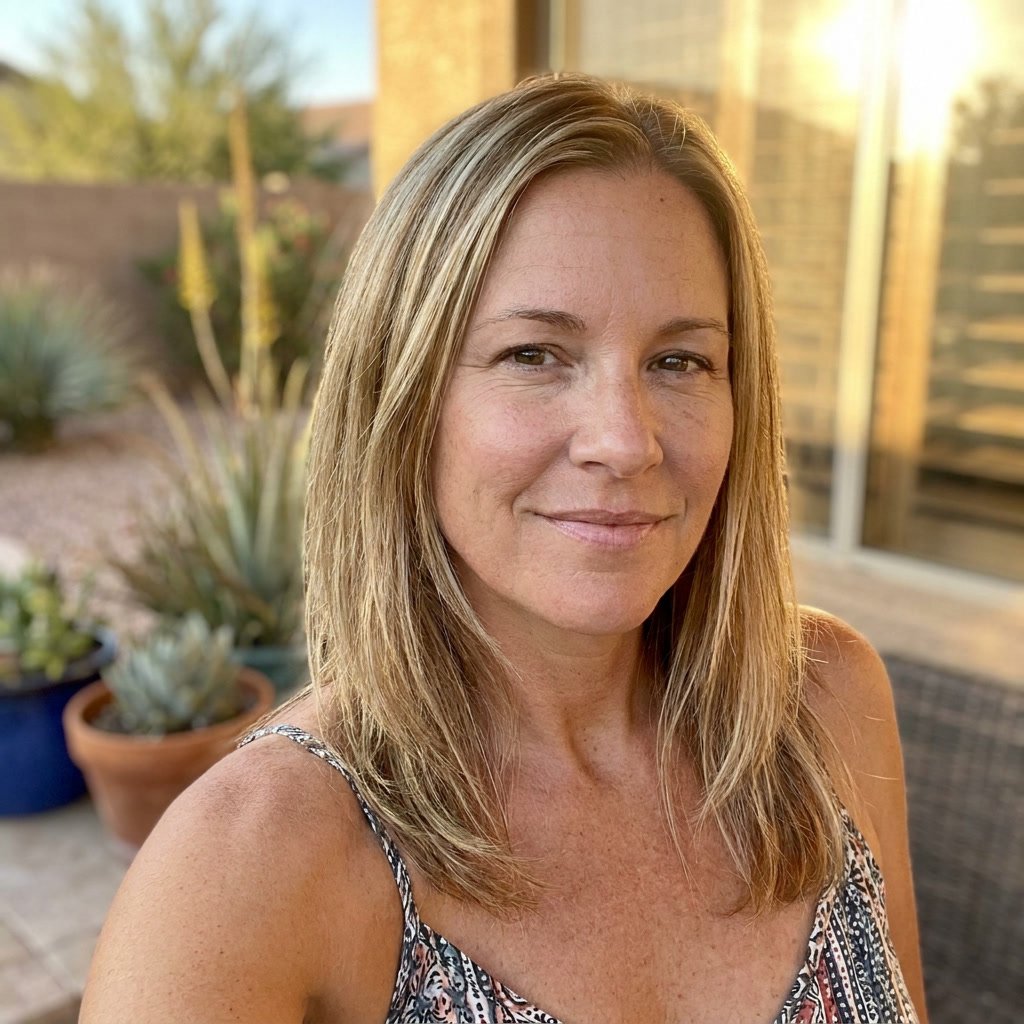
In the last two years, over 88,000 women have used TryBello Hair Helper Spray. Here are stories from women in your specific age range — women who caught it early.


The 65% Off Limited Release For Women Who Catch It Early
Here's what I want to do.
Most of the women who buy TryBello are in their 50s and 60s — they're the ones in crisis. They're the ones already $5,000-$10,000 deep into the standard treatment cycle. They're the ones with the most desperate stories.
But you're different. You're in your 40s. You're catching this at the exact window where intervention works best.
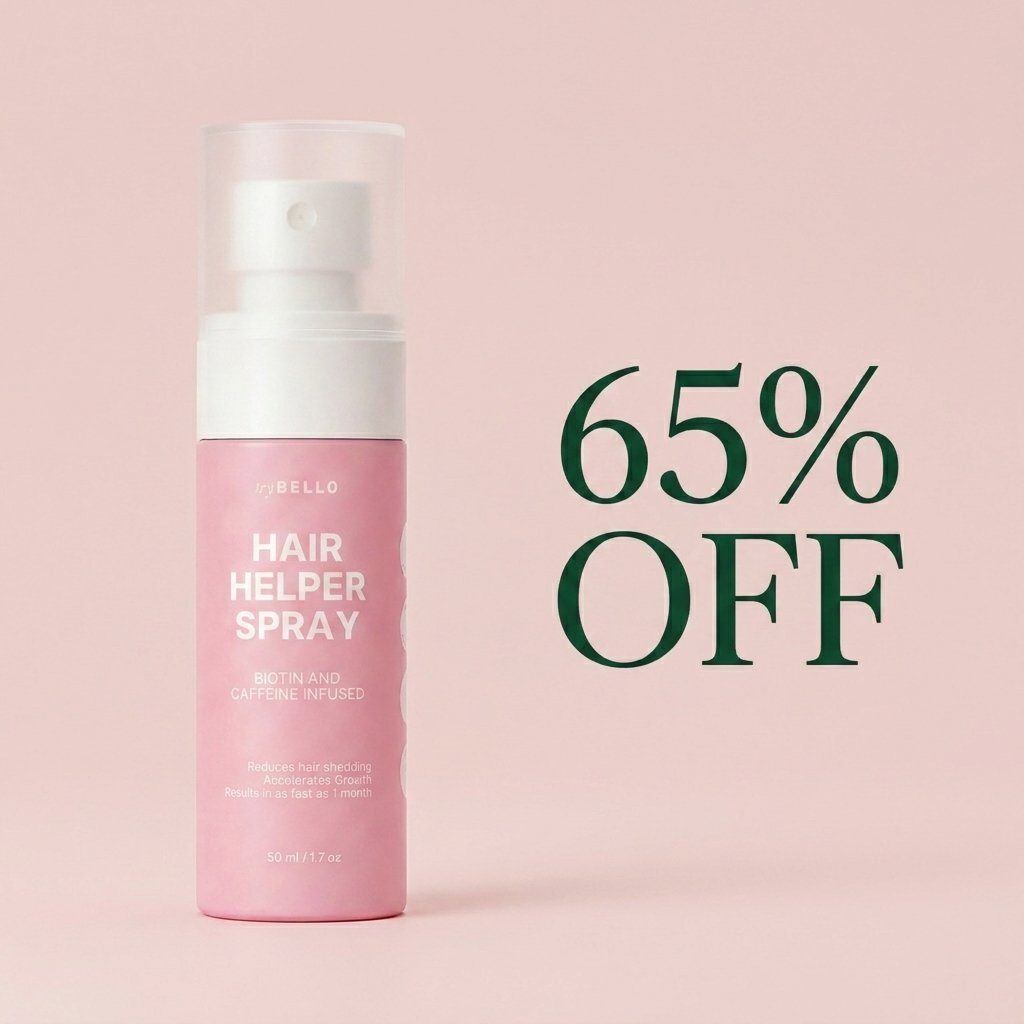
I want as many women in your specific window as possible to start now — before this becomes a crisis. So I've allocated 10,000 units at a 65% discount specifically for women catching it early.
This 65% discount expires in 48 hours. Our lab can only produce 800 bottles per week. When the last Good Morning America feature ran, we sold out in 11 hours. Took us three weeks to restock.
My Personal 120-Day "Thicker Hair" Guarantee
I want to be straight with you about why I'm offering this.
In your 40s, with the early signs you're noticing, the data shows that women who use TryBello for at least 4 months — that's the 4-bottle supply — see meaningful results. But I know you can't know that for sure until you try it.
So here's my promise:
Use TryBello Hair Helper Spray for 120 days. Spray it on your scalp every night. Sixty seconds. That's all.
Count the hairs in your shower drain. (They'll decrease.)
Take weekly photos of your part. (It'll tighten.)
Feel for baby hairs along your hairline. (They'll appear.)
Track how often you're touching your hair nervously. (You'll stop.)
If after 120 days you're not seeing real, visible results — I'll refund every single penny.

No forms to fill out. No "store credit" nonsense. No 20-minute phone call with a retention specialist. Just email support@trybello.com and say "it didn't work." We'll send you a prepaid return label. Your refund hits your account within 48 hours.
Why am I so confident?
Because in two years and 88,000 customers, our refund rate is 2.8%. That's 97.2% of women who got results and never looked back.
And of that 2.8%, half are wrong-address deliveries or husbands who threw the bottle out thinking it was empty. The actual "didn't work" rate is barely 1%.
When you address the root cause, results aren't a mystery. They're inevitable.
The Two Paths
Right now, you're standing at a crossroads.
Two paths stretch out in front of you. They both lead 10 years into your future. Only one of them leads to thicker hair.
- Tell yourself it's probably nothing. Wait another year.
- Notice the part get a little wider. Tell yourself it's stress.
- By 49, the shedding accelerates. Dermatologist prescribes minoxidil.
- Experience the dread shed. Panic. Keep using because afraid to stop.
- By 53, spending $200-500/month on a combo of treatments. None fully work.
- By 56, considering wigs, toppers, or transplants.
- By 60, spent $25,000-$45,000 — still don't have your mother's hair.
- Spend less than you'd blow on a dinner out.
- 91% of users see results within 2 weeks.
- Fix the root cause now, while your follicles are still healthy.
- Wake up in 14 days with noticeably less hair in your drain.
- Wake up in 30 days with baby hairs along your temples.
- Wake up in 60 days with your hairdresser asking what you're doing.
- Walk into your 50s with the same thick, full hair you have right now — only better, healthier, and protected.
The choice is yours.
But only one path gives you a 120-day money-back guarantee. Only one path costs less than ONE month of the treatments that aren't working. Only one path addresses the hormone that modern life supercharged — the one that's already started attacking your follicles right now.
What To Do Next
Here's exactly what to do right now:
1. Click the "Claim My 65% Discount" button below. It'll take you to a secure checkout page.
2. Choose your package. Most women in your age range see best results at 16 weeks. That's 4 bottles. The 4 Months Supply is the most popular package because it gives you the full 16 weeks of treatment at the deepest discount.
3. Fill out your shipping info. We ship same-day if you order before 3 PM EST. Next day after.
4. Wait 3-5 days for delivery.
5. Use it for 10 seconds, once a night. Spray along your part. At your crown. Around your hairline. Massage gently for 10 seconds. That's it.
6. Start your countdown to thicker hair:
Week 2: Less shedding
Week 4: Baby hairs appearing
Week 8: Visible thickness
Week 16: The version of yourself you want to walk into your 50s with
But whatever you do — don't close this page thinking "I'll order later."
Later doesn't exist when 4,200 units are all that's left at this discount.
Later is the discount expiring in 48 hours.
Later is units selling out (it happened in 11 hours last time).
Later is another 6 months of the part getting a little wider.
Later is another year before you start the routine that women in their 50s are wishing they'd started in their 40s.
Your follicles are still healthy. Your window is still open. Your hair is still mostly there.
But every month you wait is another month DHT continues unchecked. Every month you wait is another month of hormonal exposure your grandmother never had.
NOTE: This deal is NOT available on Amazon or eBay. Beware of knockoff products. TryBello is only sold through our official website.
P.S.I just got an email from Rachel — the 44-year-old patient I told you about at the start of this article. She sent me a photo from her daughter's piano recital last weekend. She'd worn her hair down for the first time in 8 years. Her mother (now 71) commented that they looked like sisters. That could be you in 16 weeks. But only if you act now.
P.P.S.TryBello is the first thing I've recommended in 15 years that I have complete confidence in. Clinically tested. Personally validated. Backed by a guarantee no pharmaceutical company would ever offer.
P.P.P.S.Seriously, we're down to 4,200 units. When inventory drops below 1,000, I'm pulling this discount. The window for women in your specific age range to catch this early is — literally — closing. Don't be the woman who reads this article at 49 and wishes she'd acted at 44.